

Private Yucatán Journeys with Maya Heritage, Mérida, Cenotes, and Thoughtful Comfort
Yucatán is best understood through relationships: Maya heritage and water, Mérida and regional identity, haciendas and henequén history, markets and cuisine, craft and daily knowledge, coast and slower routes.
Authentic Travel Mexico designs private Yucatán journeys around the decisions that shape how the region feels in real life: where to base, when to start, how much to include, which guide fits the day, and what pace allows travelers to stay curious rather than rushed.
Yucatán, Understood Through Place
Yucatán is a region of stone cities, limestone water, shaded plazas, restored haciendas, Gulf coast light, village roads, embroidered textiles, hammock workshops, and food built from maize, achiote, recados, sour orange, smoke, and time.
Mérida gives many journeys their center. From there, routes can reach Chichén Itzá, Uxmal, the Puuc region, cenotes, markets, haciendas, artisan studios, coastal wetlands, and smaller towns where the pace changes. Some days ask for an early start before heat and crowds gather. Others are better with a slow lunch, a museum, a market walk, or a quiet evening in the city.
A strong Yucatán itinerary does not need to include everything. It needs to choose what belongs together. For some travelers, that means a focused Yucatán State journey. For others, it may mean a wider peninsula route that connects carefully with Campeche or Quintana Roo without losing sight of distance, comfort, and purpose.
Speak With a Local Mexico Travel Specialist
Trust microcopy: Custom planning, private logistics, local interpretation, and respectful regional travel from a Mexico-based team.
Explore Yucatán Through Six Connected Pathways
A private journey can be shaped around archaeology, city life, water, cuisine, craft, coast, or a careful combination of them. These pathways help organize the region without flattening it into a list of stops. The right mix depends on timing, lodging, mobility, family rhythm, food interests, and the kind of guide who can make each place more understandable.
Maya Heritage and Archaeology
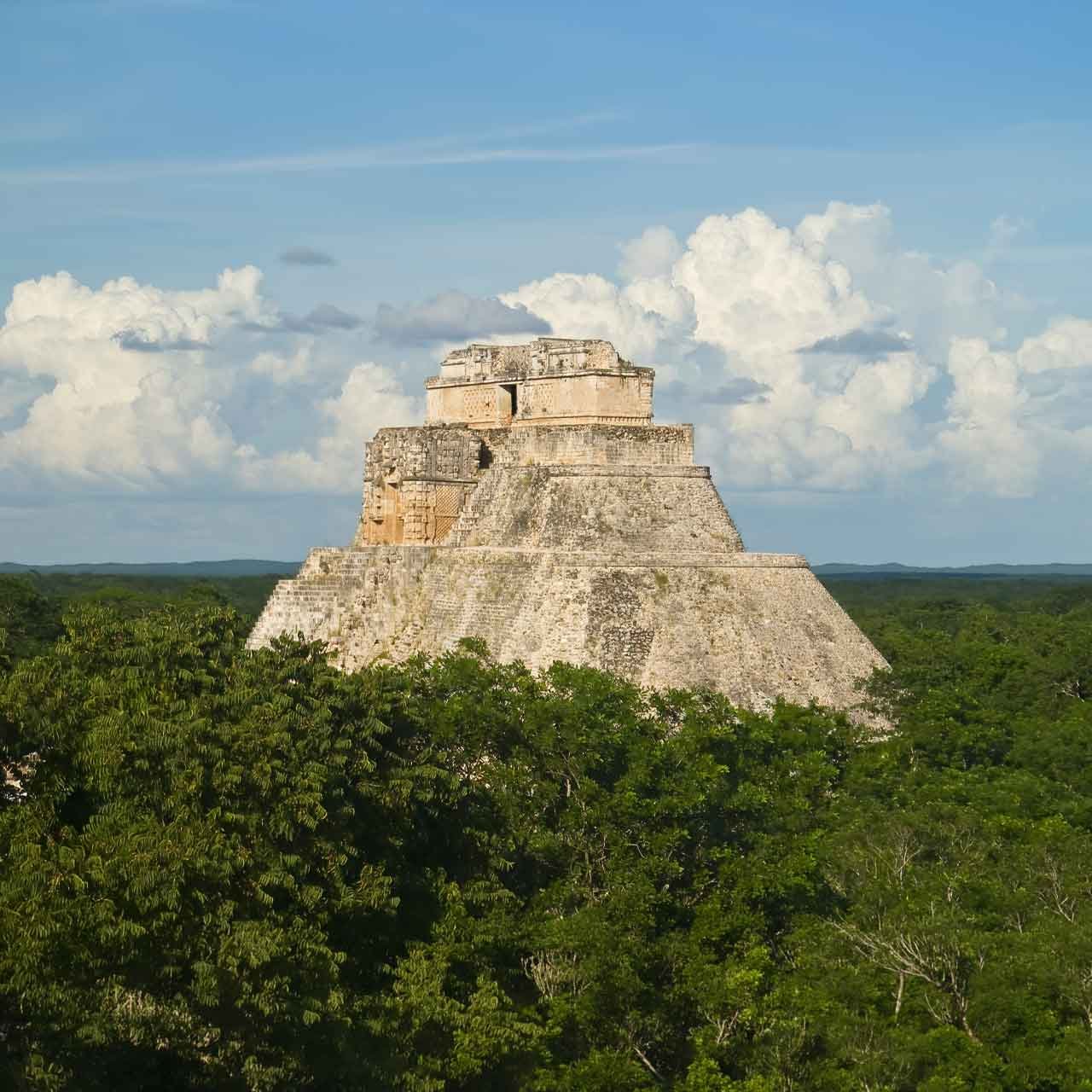
Chichén Itzá may be the name many travelers know first, but Yucatán’s archaeological story is wider. Uxmal and the Puuc region reveal different architectural language, landscape adaptation, and questions about water, movement, power, and regional exchange.
A well-planned route may include major sites, smaller Puuc sites, museums, or specialist interpretation when appropriate. Chichén Itzá may fit travelers who want to understand one of Mexico’s most recognized archaeological sites. Uxmal may suit those who prefer a different rhythm, more regional context, or a route that continues into the Puuc landscape. The guide fit matters: families may need a storyteller who can keep children engaged; archaeology travelers may want deeper interpretation; multigenerational groups may need shaded pauses, shorter walks, and careful timing.
The value is not only in seeing pyramids and carved stone. It is in understanding how architecture, water systems, trade, language, and living Maya identity continue to shape the region today.
Mérida, Haciendas, and Yucatecan Identity
Mérida is not a postcard pause between archaeological sites. It is a living city of neighborhoods, plazas, museums, markets, music, restaurants, family routines, and regional pride. It rewards travelers who give it time rather than treating it only as a base.
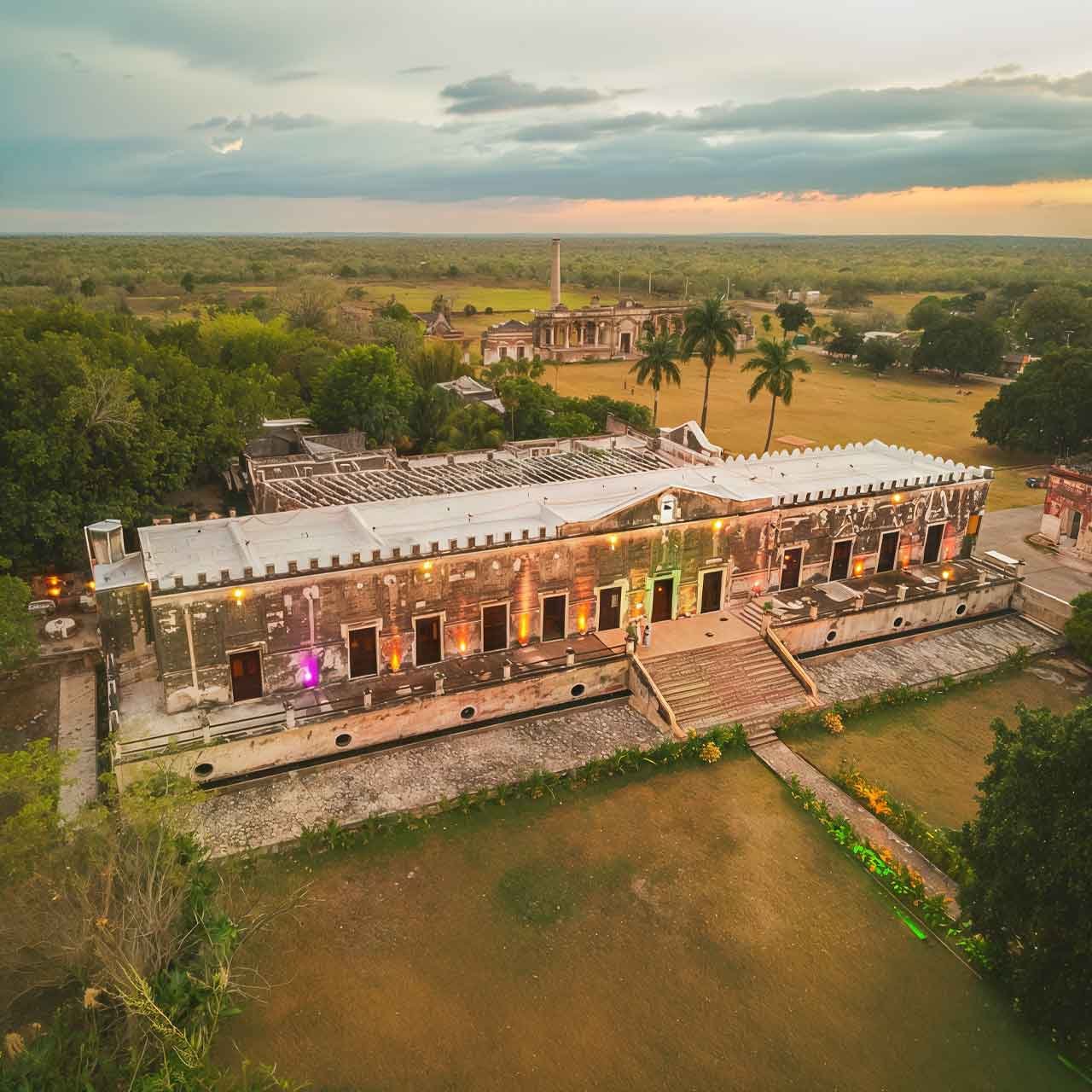
Lodging choices change the journey. A Mérida hotel can make city walks, restaurants, museums, and markets feel natural. A restored hacienda can offer quiet, history, space, and a slower regional rhythm. A countryside or coastal stay may make sense when the route needs less backtracking or more rest. The best choice is not the most impressive property on paper. It is the place that supports the traveler’s pace and the logic of the route.
Haciendas can add comfort and atmosphere, but they also ask for context. Their architecture and restored spaces are tied to the henequén economy and to histories of land, labor, wealth, and change. In the right itinerary, a hacienda stay or visit can deepen the route. In another, a Mérida hotel may be the wiser choice.
Cenotes and Natural Landscapes
Cenotes are among Yucatán’s most beautiful natural features, but they are also part of a fragile karst and groundwater system. The best choice is not always the most dramatic photograph; it is the site that fits the route, the traveler, the season, and the local rules.
Some cenotes are suitable for swimming. Others are better approached with restraint, limited time, or observation. Responsible visits consider access limits, water protection, showers or product restrictions, noise, waste, group size, and local guidance. They also consider comfort: steps, ladders, uneven ground, heat, shade, changing areas, and whether the visit fits children, older travelers, or guests with mobility concerns.
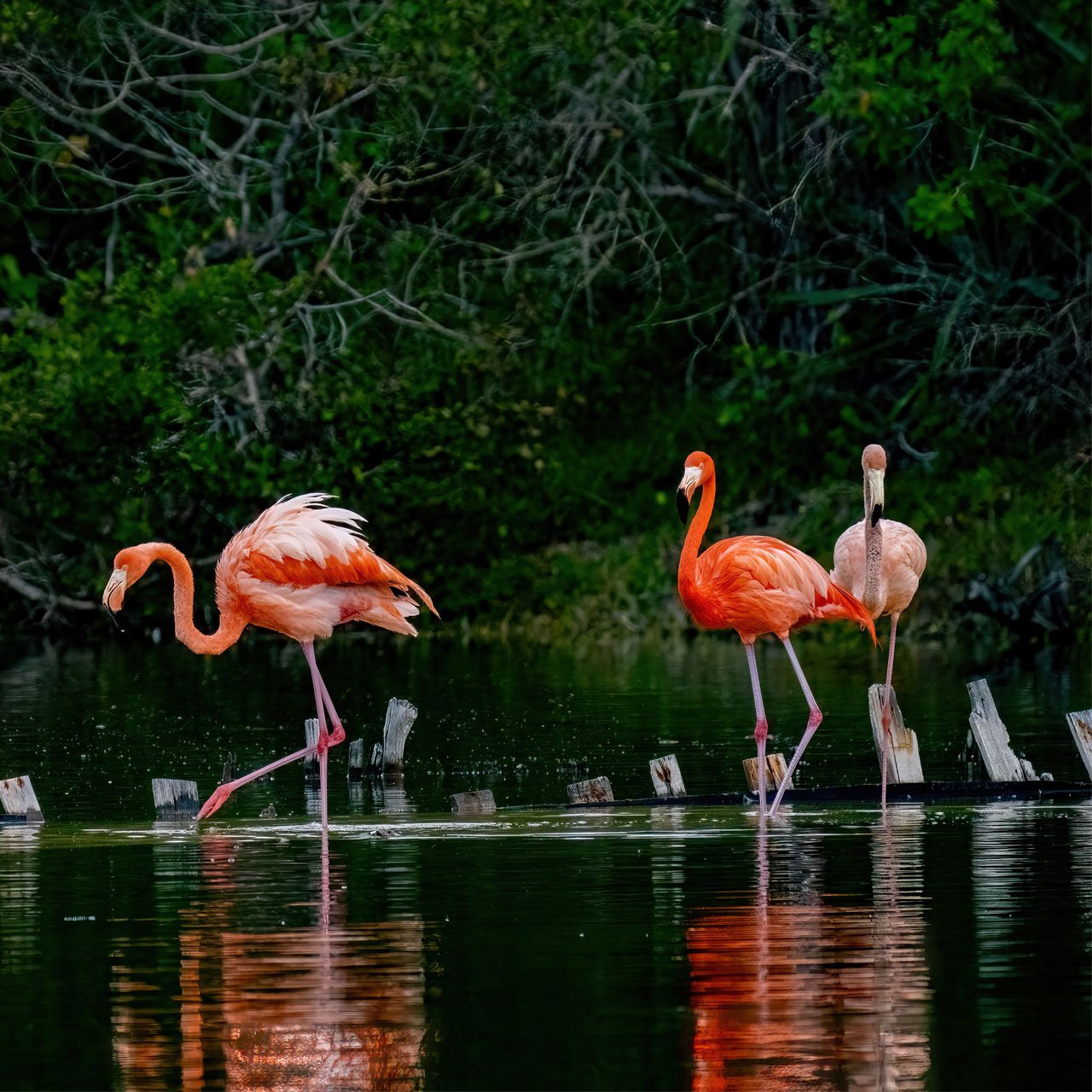
Beyond cenotes, Yucatán’s landscapes include dry forest, mangroves, wetlands, birdlife, coastal ecosystems, and seasonal rhythms that can shape a quieter day outdoors. Flamingo viewing, boat conditions, rain patterns, and coastal light can all affect when a nature-focused day should begin and how much it should include.
Yucatecan Cuisine and Markets
Yucatecan cuisine often stays with travelers because it is specific. Maize, achiote, recados, sour orange, habanero, pepita, cacao, smoke, citrus, banana leaves, and pib cooking give the region a flavor language of its own.
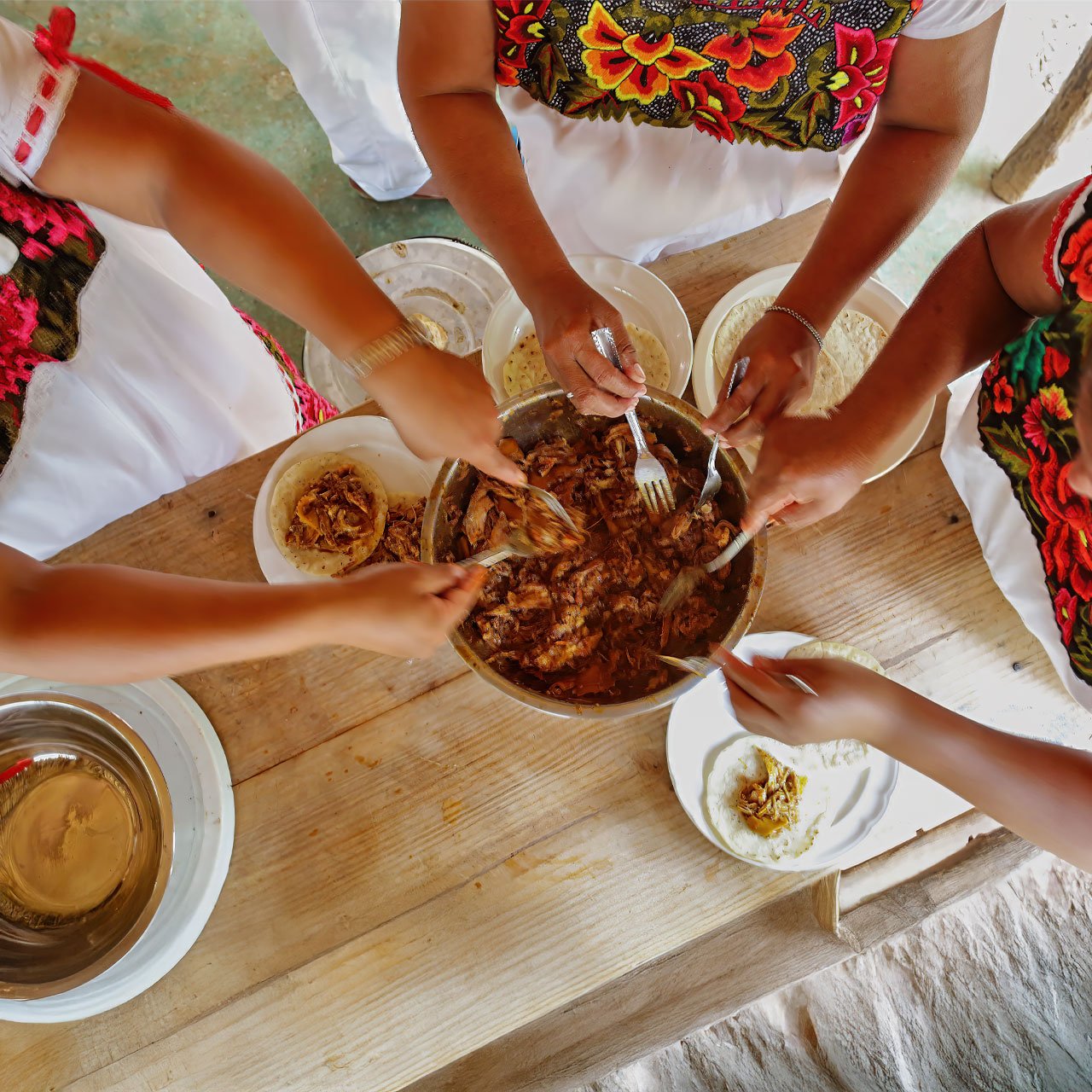
A journey may include markets, fondas, contemporary restaurants, cooking experiences, cacao or maize-focused learning, or time with cooks and producers when invited and professionally arranged. Cochinita pibil, sopa de lima, papadzules, poc chuc, panuchos, salbutes, relleno negro, and longaniza de Valladolid are not simply dishes to sample. They are entries into technique, memory, migration, agriculture, and contemporary creativity.
Food also needs planning. Market mornings, cooking sessions, restaurant reservations, long transfers, dietary needs, spice tolerance, children’s meals, and rest after a hot archaeological visit all affect the day. A food-focused itinerary should leave time to taste, ask, and notice. A family or multigenerational route may need flexible meal timing and clear attention to preferences.
Food is one of the clearest ways to understand Yucatán when the itinerary leaves room to ask how it is made, where ingredients come from, and why a recipe tastes the way it does.
Artisans, Craft, Coast, Villages, and Slow Travel
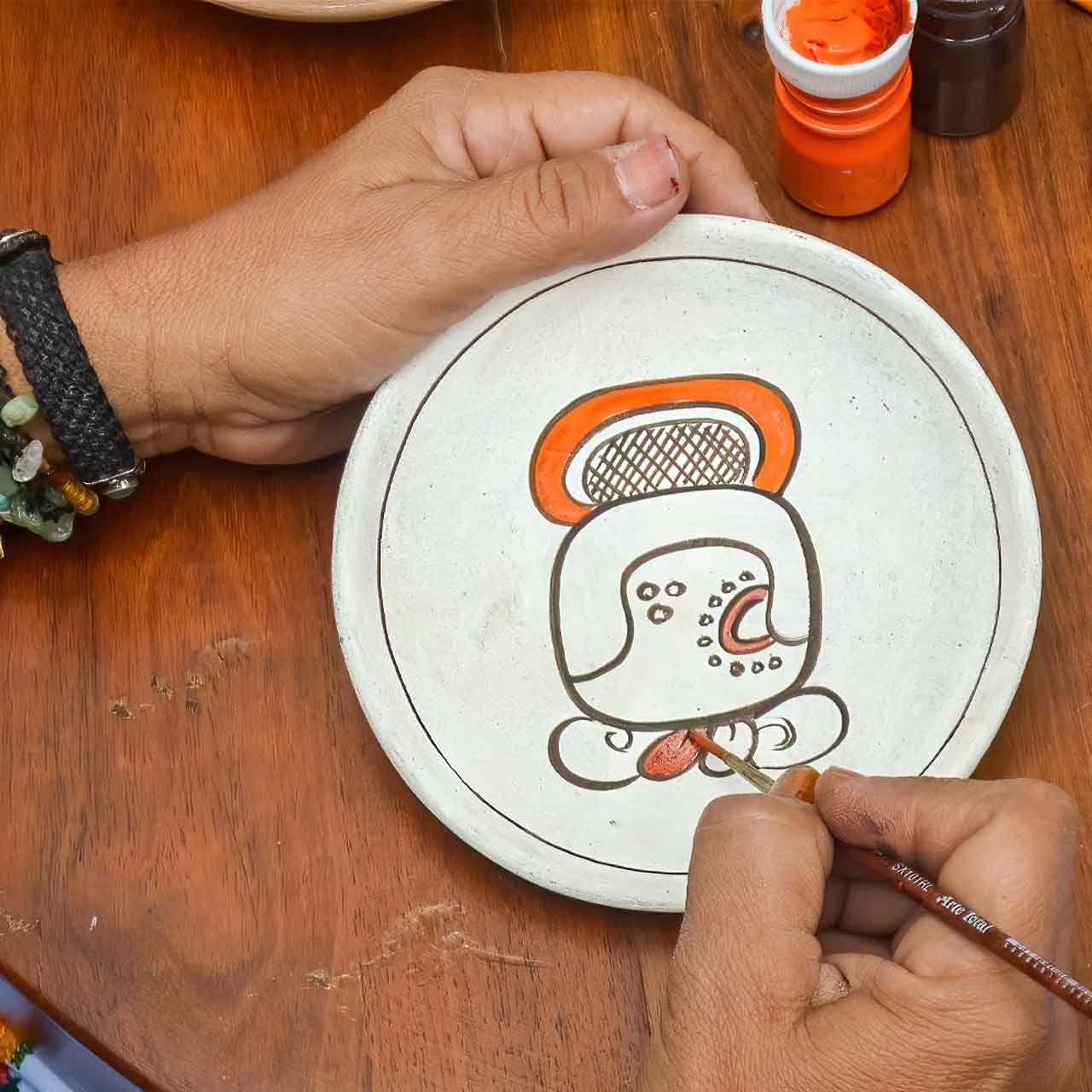
Craft in Yucatán is professional knowledge. Hammocks, embroidery, ceramics, fiber work, textiles, woodwork, and studio practices carry technique, time, materials, and individual judgment. When a workshop or studio visit is appropriate, it should be arranged with permission, clear expectations, fair compensation, and respect for photography and privacy.
The Gulf coast changes the rhythm of a journey. Celestún, Río Lagartos, Sisal, Progreso, and other coastal areas can introduce wetlands, mangroves, birdlife, fishing towns, seasonal conditions, and a different relationship to time. Smaller towns and villages may also shape a route through markets, public spaces, food, craft, or rest, without turning local life into a performance.
Sometimes the better itinerary removes a stop. A slower route can make room for the coast, a studio visit, a market morning, a shaded pause, or an unhurried return to Mérida. That restraint is especially important for families, older travelers, and guests who want comfort without losing substance.
Art, Design, and Contemporary Creative Culture
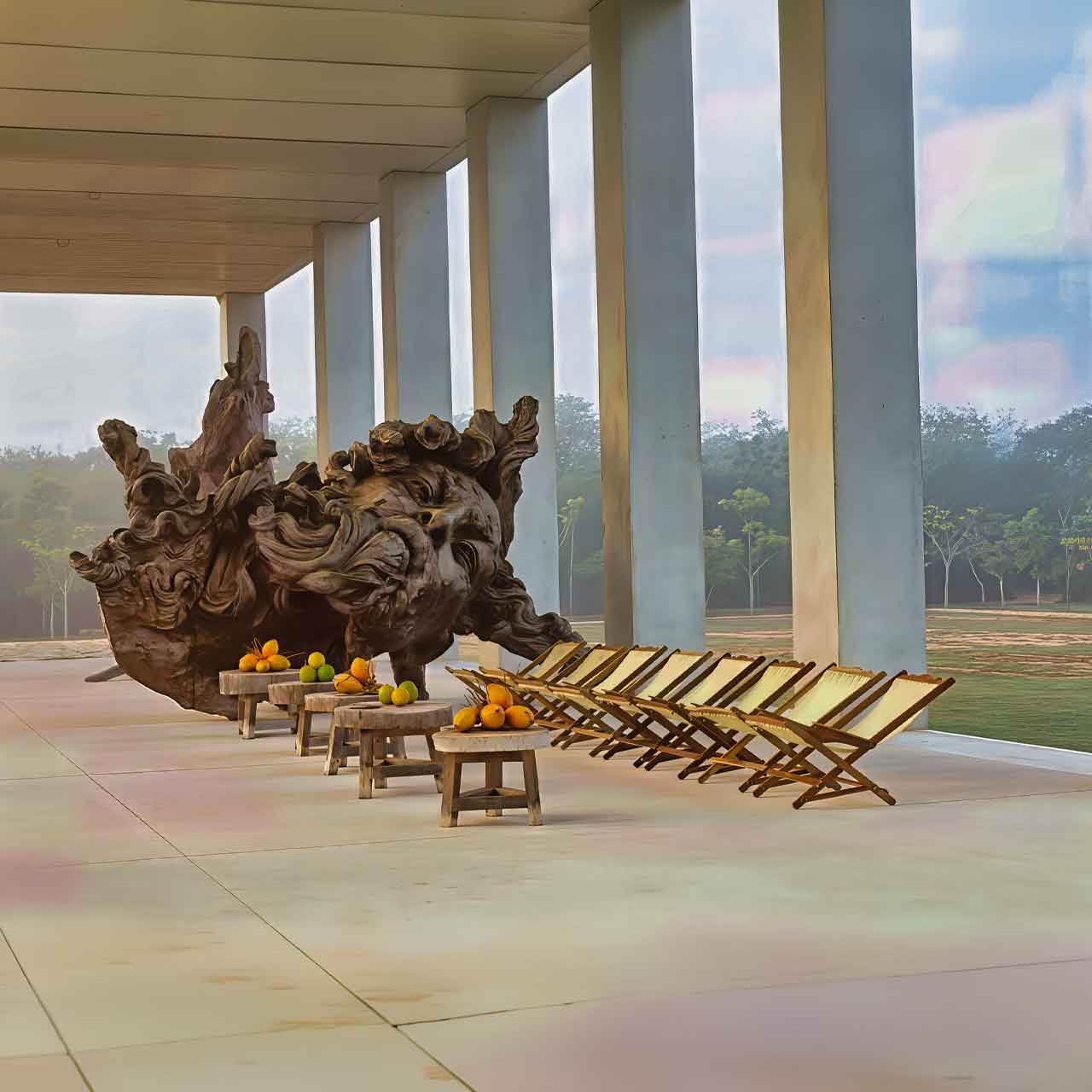
Yucatán’s creative life is not only inherited. It is also being made now, especially in Mérida, where galleries, studios, design spaces, private collections, architecture, photography, painting, sculpture, textiles, and contemporary makers create another way to understand the region.
An art-focused day may include a gallery visit, a studio conversation, a design walk, a museum, or a carefully arranged meeting with a creator, curator, or collector when appropriate. The value is not simply access to beautiful objects. It is context: how artists work with memory, material, landscape, identity, migration, architecture, color, and the changing cultural life of Yucatán.
This pathway suits travelers who want to see how the region expresses itself in the present as well as through archaeology and tradition. It can stand alone for art and design travelers, or connect naturally with cuisine, haciendas, craft, architecture, and a slower stay in Mérida.
How a Private Yucatán Journey Is Designed
Private planning matters in Yucatán because small decisions change the day. Chichén Itzá or Uxmal may be stronger at a certain hour. Mérida may need more than one evening. A hacienda stay may add meaning on one route and complicate another. A cenote may be beautiful but wrong for the group, the timing, the season, or the physical access.
Authentic Travel Mexico shapes the route around practical judgment: order of travel, private transportation, transfer length, heat, rain, crowd patterns, guide fit, suitable lodging, meal timing, mobility needs, dietary preferences, and the comfort level of each traveler. Families may need shorter walking days and flexible starts. Multigenerational groups may need fewer stairs, smoother transfers, shaded pauses, and more rest. Food-focused travelers may need more time in markets and kitchens. Archaeology travelers may need specialist interpretation and a route that links sites intelligently.
Scope also matters. A short private break may stay close to Mérida and one or two carefully chosen sites. A cultural stay can move between city, hacienda, cuisine, and craft. An archaeology-focused journey may connect Chichén Itzá, Uxmal, and the Puuc region. A slower regional itinerary may include the Gulf coast or, when the trip is long enough, a wider peninsula connection with Campeche or Quintana Roo.
Planning also means knowing when to simplify. The strongest Yucatán journey may include fewer places, better timing, and one well-chosen experience instead of three rushed ones.
Start Planning Your Private Yucatán Journey
Tell us what you hope to understand, not only what you hope to see. Share your dates, trip length, group size, ages, travel pace, comfort preferences, lodging style, mobility or dietary needs, and the parts of Yucatán that interest you most: Maya heritage, Mérida, haciendas, cenotes, cuisine, artisans, coast, villages, or time to rest.
Yucatán does not need to be rushed. It can be planned carefully, one well-chosen day at a time.
Frequently Asked Questions
What is a private Yucatán journey?
A private Yucatán journey is a custom regional itinerary planned with private transportation, suitable lodging, local guidance, and route logic. It may include Maya sites, Mérida, haciendas, cenotes, cuisine, craft, coast, villages, and rest, but it is designed as a connected journey rather than separate day tours.
How many days should you spend in Yucatán?
A shorter stay can focus on Mérida, one major archaeological site, a cenote, and regional cuisine. A fuller journey needs more time for Uxmal or the Puuc region, haciendas, markets, artisan studios, the Gulf coast, and rest. The right length depends on pace, interests, season, lodging, and group needs.
Should I visit Chichén Itzá or Uxmal?
Both can be worthwhile, but they offer different experiences. Chichén Itzá is internationally known and often busier. Uxmal and the Puuc region can offer a different architectural and regional perspective. The best choice depends on your route, interests, timing, mobility, and how much archaeological depth you want.
Where should I stay in Yucatán?
Many journeys work well from Mérida because it supports restaurants, museums, markets, and regional day routes. A hacienda stay may be better for quiet, atmosphere, history, or a slower regional rhythm. A coastal or countryside stay can make sense when it reduces backtracking or supports rest. The right lodging depends on route logic, comfort, traveler type, and trip length.
How should cenotes be visited responsibly?
Cenotes should be treated as vulnerable water systems, not only as swimming stops. Responsible visits follow local rules, protect water quality, respect access limits, manage noise and group size, avoid restricted products, and accept that some sites may be better observed than entered.
Is Yucatán suitable for families or multigenerational travelers?
Yes, when the itinerary is planned around heat, walking surfaces, transfer times, shade, food needs, mobility, rest, and guide fit. Private planning is especially useful for families and multigenerational groups because the pace can be adapted without losing the substance of the journey.
How does custom Yucatán planning work?
Planning begins with your dates, number of nights, group type, ages, pace, mobility needs, dietary needs, lodging preferences, and interests. Authentic Travel Mexico then shapes a route that connects the most suitable places and leaves out what would make the trip rushed, uncomfortable, or inappropriate.