

Private Quintana Roo Journeys Beyond the Resort Surface
Quintana Roo is known first through its coast: Cancún, Playa del Carmen, the Riviera Maya, Tulum, island channels, reef water, and long resort beaches facing the Caribbean. Those places belong to the region. They are part of its travel story. But they are not the whole story.
A private Quintana Roo journey should help you understand what lies beyond the surface of a beach stay: protected ecosystems, living Maya heritage, cenotes and underground rivers, marine routes, local food, southern roads, and the practical decisions that make a trip feel calm rather than crowded.
Authentic Travel Mexico designs private Quintana Roo journeys shaped around local guidance, realistic timing, respectful access, and thoughtful comfort, so the route supports both the traveler and the place.
Quintana Roo, Beyond the Resort Surface
Quintana Roo can be easy to reach and difficult to understand quickly. A traveler may land in Cancún, base in Playa del Carmen, stay along the Riviera Maya, visit Tulum, swim in a cenote, cross to Cozumel, or look toward Sian Ka’an and Bacalar, all within one state, but not within one simple rhythm.
The coast moves by weather, traffic, ferry schedules, port timing, protected-area rules, sea conditions, and the limits of daylight.
Playa del Carmen often sits at the center of these decisions: close enough to make some cenote, reef, food, and heritage days feel natural, but still dependent on timing, marina access, ferry crossings, and road conditions.
Inland and southern routes ask for different judgment.
Quintana Roo does not become more meaningful simply by moving farther from a resort.
It becomes more meaningful when the route helps travelers understand how heritage, water, wildlife, communities, and contemporary life are connected.
What Private Planning Changes in Quintana Roo
Private planning changes the quality of decisions. It helps determine where to begin, which routes belong together, when to leave, which guide fits the subject, whether the sea is suitable, how much walking is realistic, and when an experience should be left out.
A private Quintana Roo itinerary may include resort comfort, but it should not be built only around convenience. Good planning considers the coast as a working region: hotel zones, Playa del Carmen’s role as a Riviera Maya base, marina access, ferries to Cozumel, cruise-port arrivals, protected-area permits, weather windows, reef regulations, road distances, meal timing, family rhythm, mobility needs, and the quiet fatigue that comes from heat and repeated transfers.
This is where local professionals matter. A captain may advise changing a Cozumel route because wind and current make the original plan less suitable. A naturalist in Sian Ka’an may suggest a quieter channel because wildlife behavior and habitat sensitivity matter more than reaching a famous viewpoint. A heritage guide may connect roads, water, forest, place names, and living Maya identity in a way a checklist cannot.
The result is not a heavier itinerary. It is often a lighter one: a better-timed visit, a slower day after a marine outing, a cenote chosen for suitability rather than photographs, or a southern route that gives Bacalar enough time to be more than a rushed glimpse of blue water.
Speak With a Local Mexico Travel Specialist
Custom planning, private logistics, local specialists, and responsible regional travel from a Mexico-based team.
Six Quintana Roo Pathways
A private journey can be shaped around one pathway or several. The best combinations depend on base, season, sea conditions, interests, group rhythm, and how much time the traveler can give the region. Playa del Carmen can be especially useful as a practical middle point for travelers combining Riviera Maya comfort with cenotes, Cozumel, food experiences, and selected heritage routes.
Maya Heritage and Living Culture
Quintana Roo’s Maya heritage is not only archaeological. It is present in language, food, place names, family histories, ceremonies, agriculture, forest knowledge, and the contemporary life of Maya communities across the region.
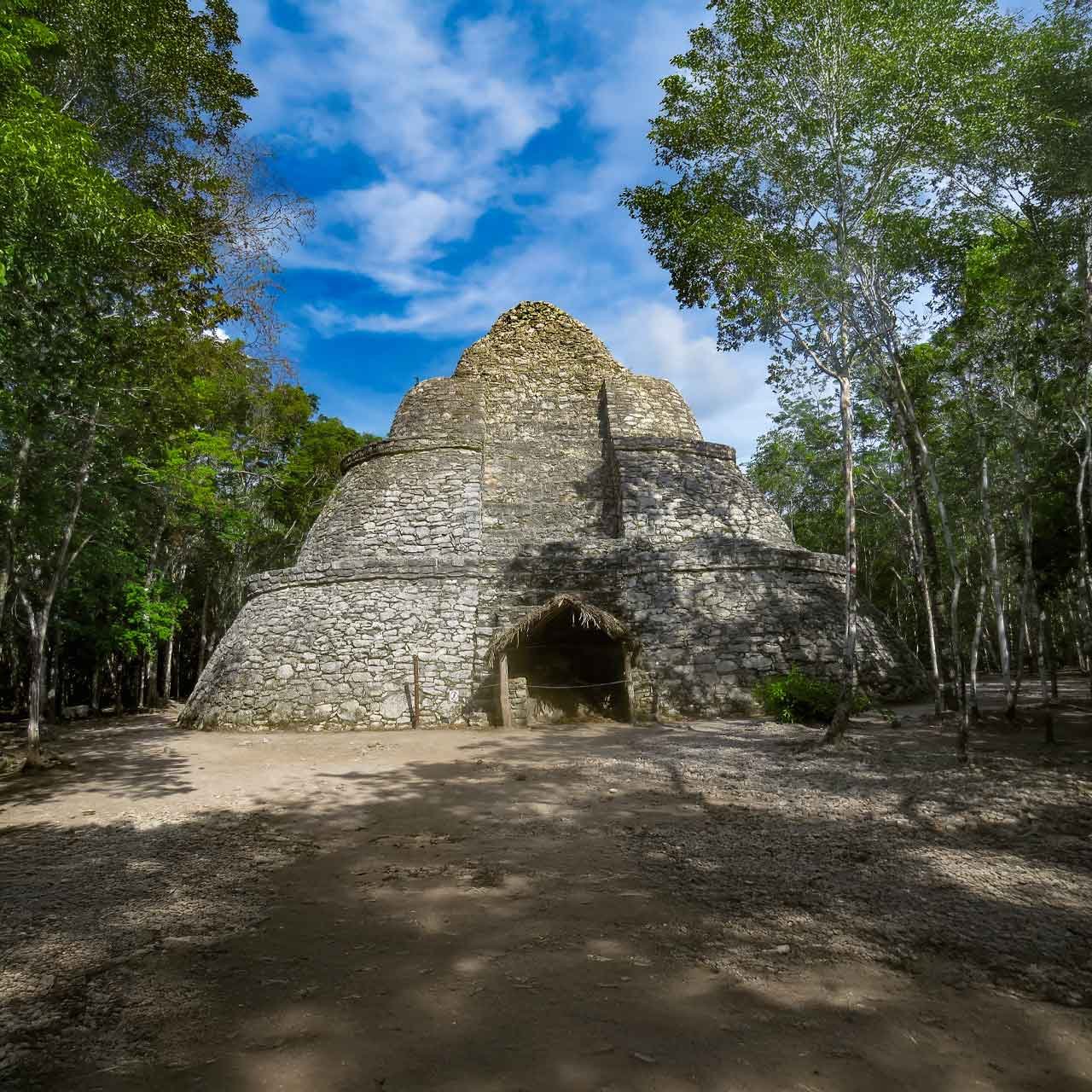
Archaeological visits near the coast can add context to a Riviera Maya journey, but they should not be treated as scenic interruptions between beaches. With the right heritage guide, travelers can better understand settlement, trade routes, coastal orientation, water, forest, and the difference between ancient sites and living Maya identity today.
Responsible planning avoids turning communities, homes, ceremonies, or personal traditions into purchasable access. Cultural experiences should be invited, professionally arranged, and grounded in context.
Sian Ka’an and Protected Ecosystems
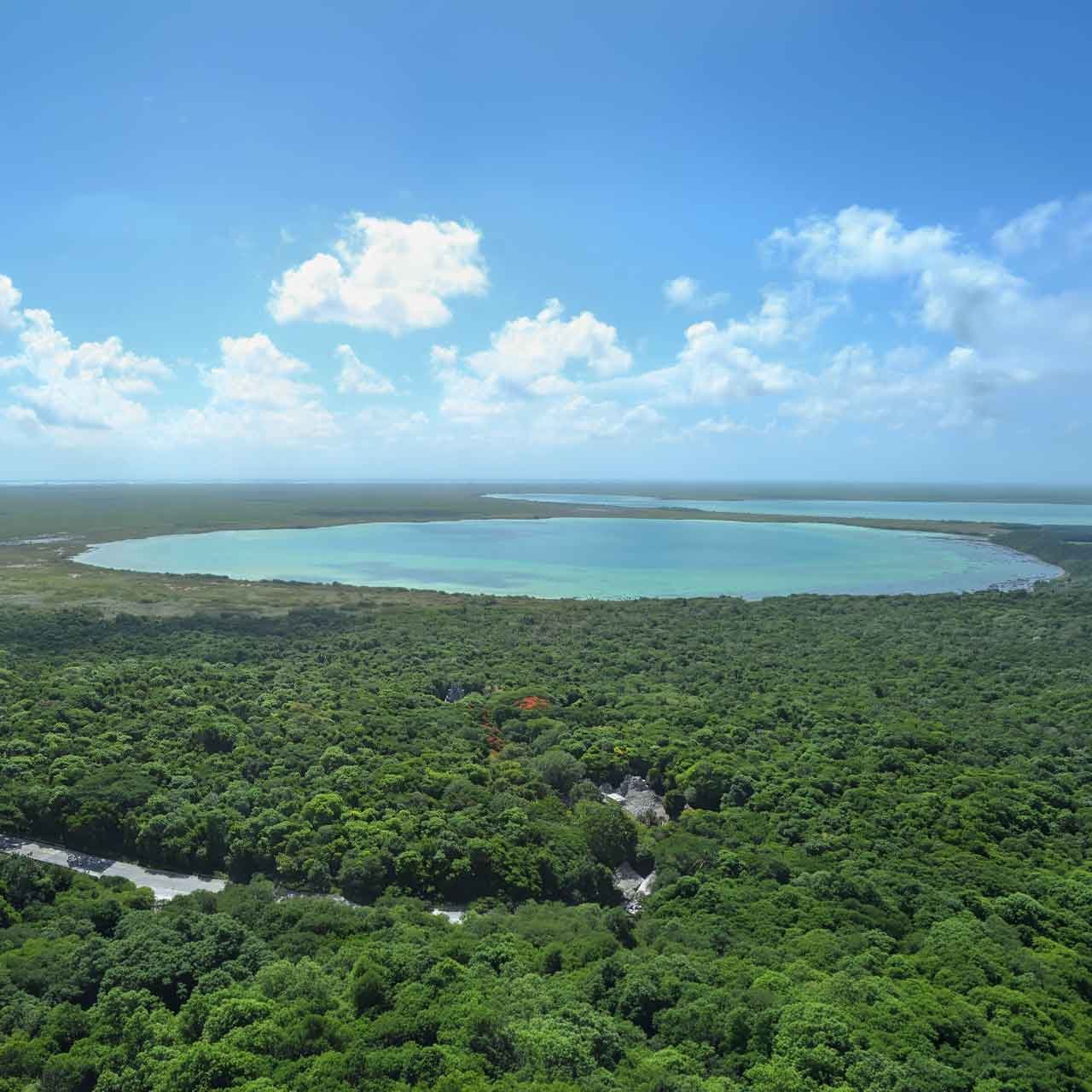
Sian Ka’an should be approached as a protected living system, not as scenery. Its lagoons, mangroves, wetlands, reef connections, birdlife, marine life, and coastal communities all require restraint.
A private route into or around Sian Ka’an depends on weather, road conditions, boat suitability, wildlife behavior, conservation rules, and the capacity of the day. The strongest experience may be a quieter observation route, an early start, a shorter outing, or a change in plan when wind or habitat sensitivity asks for it.
Wildlife is observed, not commanded. The value of a naturalist is not only naming species. It is knowing when to pause, when to lower voices, when distance matters, and when the best decision is to let nature continue without interference.
Cenotes, Underground Rivers, and Freshwater Systems
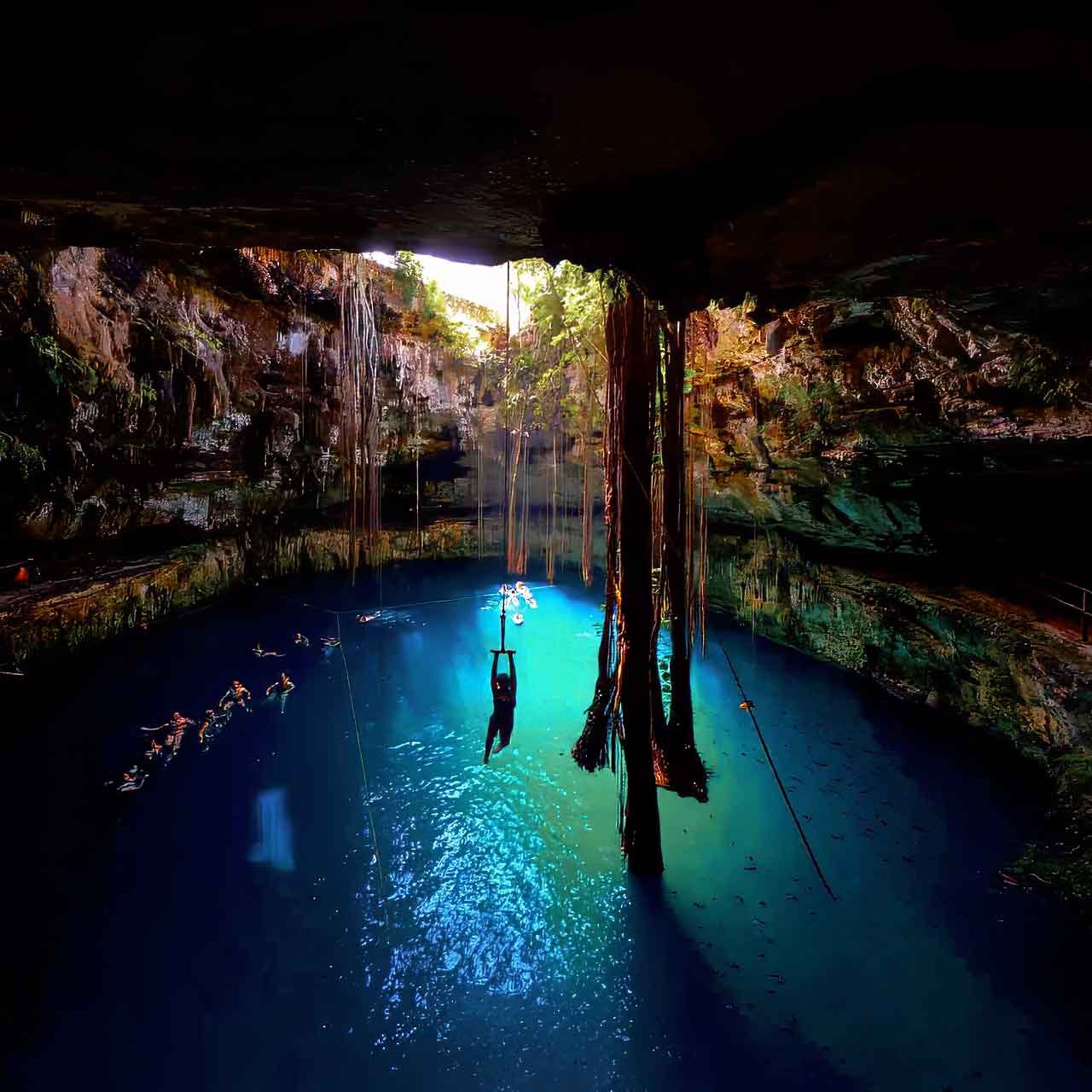
Cenotes and underground rivers are among Quintana Roo’s most memorable natural features, but they are also vulnerable freshwater systems. Their quality depends on geology, access rules, waste management, visitor behavior, and local care.
Some cenotes suit families and relaxed swimming. Others involve stairs, uneven surfaces, depth, low light, slippery entries, or conditions that may not fit every traveler. A private guide helps match the site to the group rather than forcing the group to match the photograph.
Responsible visits consider showers, sunscreen and product restrictions, life jackets, group size, noise, timing, and the difference between public recreation and delicate natural space.
Bacalar and Southern Route Design
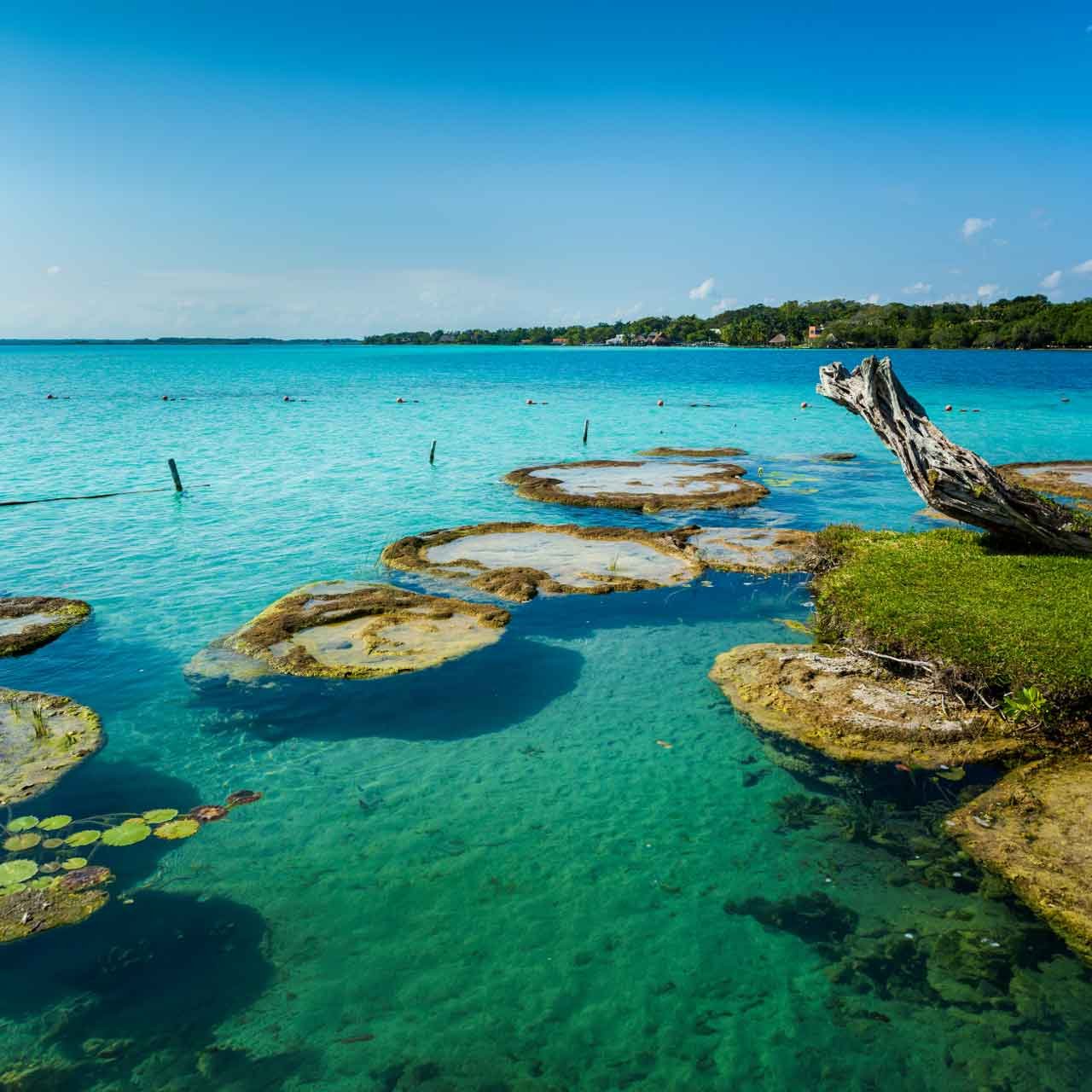
Bacalar deserves more than a hurried photograph of blue water. The lagoon, nearby communities, and southern Quintana Roo routes ask for time, restraint, and a different travel rhythm than the resort corridor.
A meaningful Bacalar journey considers distance, overnight planning, boat rules, swimming areas, wind, lagoon health, and the value of staying long enough to understand why the place should not be reduced to color alone. It may also connect with broader southern routes, Costa Maya, local food, quiet roads, and a slower sense of the Mexican Caribbean.
For some travelers, Bacalar is worth building a journey around. For others, it may be too far to add responsibly to a short Riviera Maya stay. A good plan should say that honestly.
Local Food, Markets, and Everyday Knowledge
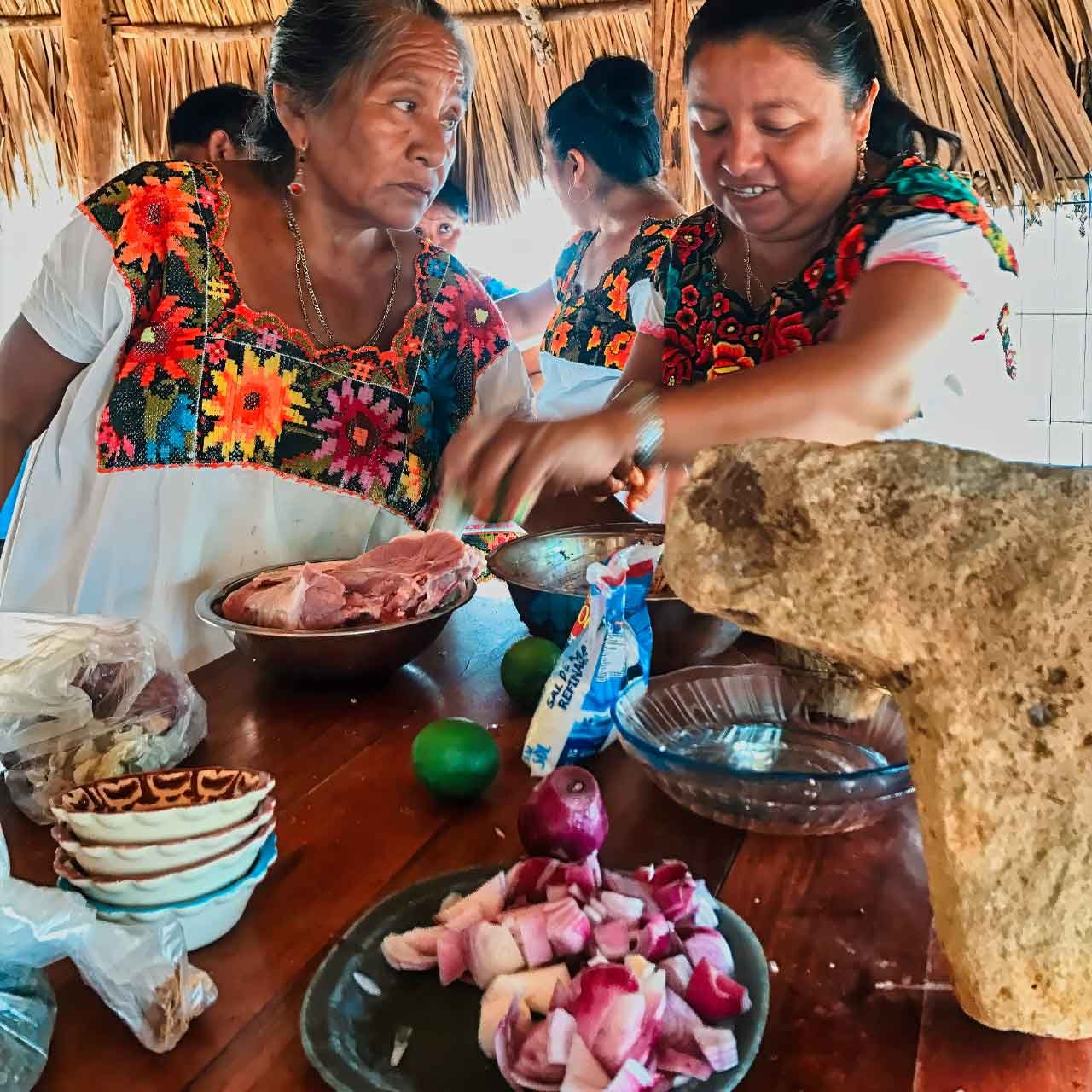
Quintana Roo’s food story is shaped by the Caribbean, the Yucatán Peninsula, Maya communities, fishing traditions, migration, resort demand, and contemporary Mexican creativity. Playa del Carmen is part of that story too: a coastal city where resort pressure, local neighborhoods, international influence, and everyday Mexican life meet. The region is best understood through people who cook, source, fish, farm, host, and explain with care.
A journey may include market visits, local restaurants, coastal seafood, traditional preparations, cooking experiences, or meals arranged with hosts when appropriate. The point is not to stage intimacy. It is to understand how ingredients, labor, memory, and daily life give a place its flavor.
For families and multigenerational travelers, food planning is also practical. Meal timing, dietary needs, heat, hydration, and child-friendly pacing can determine whether a day feels generous or strained.
Cozumel, Costa Maya, and Marine Routes
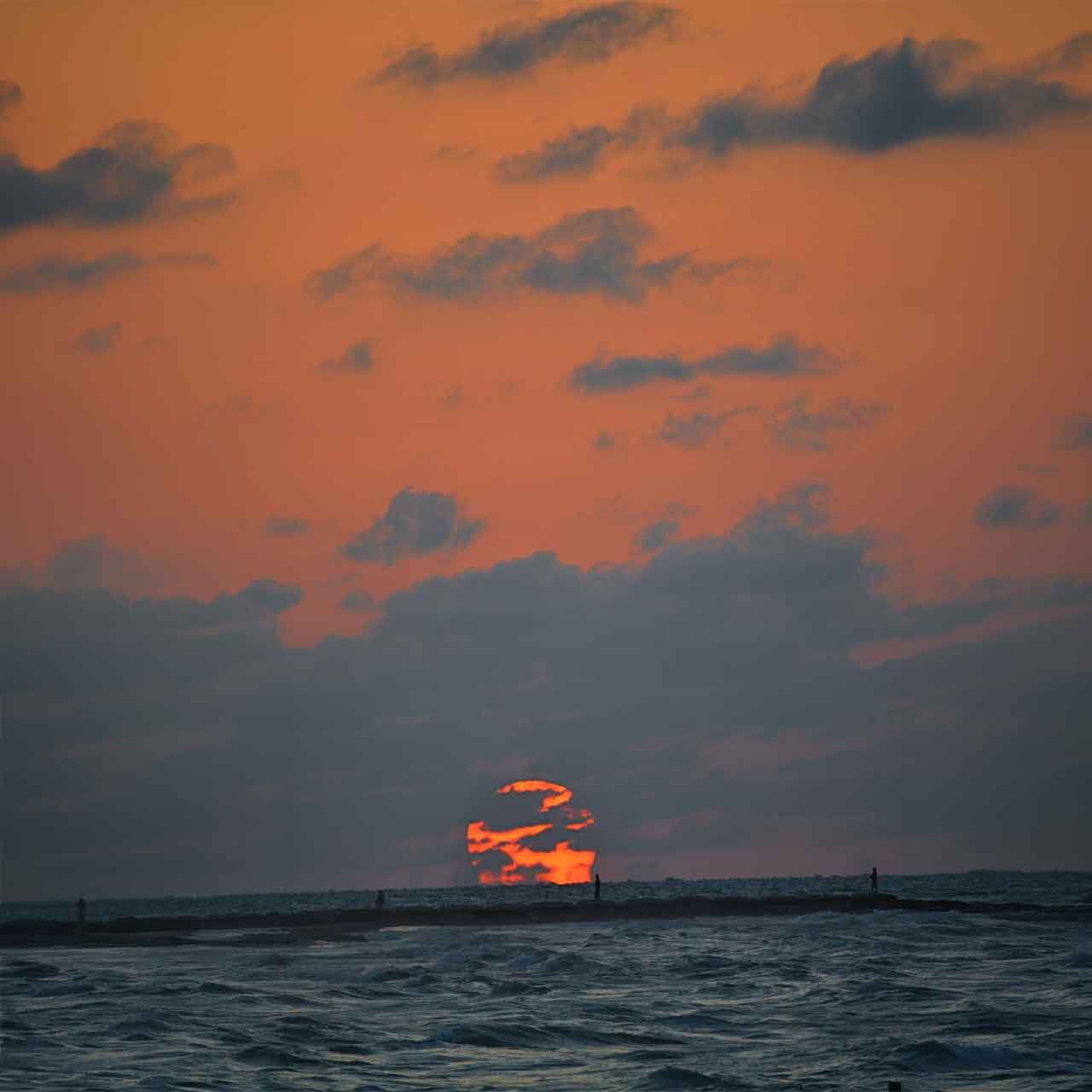
Marine travel in Quintana Roo requires judgment. Cozumel, Costa Maya, reef outings, shore excursions, private boats, snorkeling days, and yacht-supported plans all depend on weather, currents, reef rules, vessel suitability, port schedules, and traveler ability.
A private boat changes who shares the vessel; it does not change the obligations owed to reefs, wildlife, weather, or local marine rules. Captains and marine professionals should have the authority to adjust routes, shorten time in the water, choose a different site, or cancel an outing when conditions require it.
For cruise travelers, timing matters. A strong private shore experience works within port realities rather than pretending the ship schedule does not exist. For yacht, celebration, honeymoon, or corporate travelers, discretion and comfort can be included, but marine conditions and environmental limits remain part of the plan.
Who This Style of Travel Is For
Private Quintana Roo journeys are best suited to travelers who want more than a resort stay but still value comfort, privacy, and reliable logistics.
They are a strong fit for culturally curious private travelers who want context; families and multigenerational groups that need thoughtful pacing; and travelers who want to combine heritage, nature, marine experiences, and rest without turning the trip into a checklist.
This style of travel is not ideal for travelers seeking guaranteed wildlife, party-first boating, rushed long-distance day trips, secret access, or community encounters without invitation. It is for people who value informed choices and are comfortable hearing that a different route, or sometimes no visit at all, may be the better decision.
Cultural and Environmental Responsibility
Private travel in Quintana Roo should create better understanding, not unrestricted access.
That principle applies across Maya heritage, cenotes, reefs, lagoons, mangroves, wildlife areas, local communities, and marine routes.
Responsible planning means working with qualified local professionals, respecting rules and permissions, choosing suitable sites, adjusting for weather and conditions, and recognizing that comfort is strongest when it reduces friction without weakening respect.
How Planning Begins
A private Quintana Roo journey begins with a conversation about what the trip should feel like and what it should avoid.
Useful details include your dates, arrival and departure points, hotel or resort base if already chosen, number of travelers, ages, mobility considerations, comfort expectations, marine interests, heritage or nature priorities, dietary needs, cruise or yacht schedules if relevant, and whether Bacalar or southern Quintana Roo is a serious priority.
From there, Authentic Travel Mexico can help shape a route that balances coast, culture, water, wildlife, rest, and logistics with enough honesty to make the journey work in real conditions.
Frequently Asked Questions About Private Quintana Roo Journeys
Is Bacalar realistic as a day trip from the Riviera Maya?
- For most travelers, Bacalar is better planned with an overnight stay or as part of a southern route. The distance can make a same-day visit feel rushed, especially if the goal is to understand the lagoon and surrounding region responsibly.
How much can marine weather change the itinerary?
Marine weather can change the day significantly. Wind, currents, visibility, port conditions, and reef rules may affect Cozumel, Costa Maya, snorkeling, boating, and private vessel plans. A good itinerary allows qualified captains and local operators to adjust when needed.
Are private Quintana Roo tours suitable for families?
Yes, when the route is designed around age, heat, walking surfaces, bathroom access, meals, transfer length, water confidence, and attention span. Families often benefit from private timing because the day can slow down before fatigue takes over.
Can we stay at a resort and still explore Quintana Roo meaningfully?
Yes. A resort or Riviera Maya base can be comfortable, but the route should be realistic. Playa del Carmen can work especially well for travelers who want access to Cozumel ferries, cenotes, local restaurants, and selected heritage or nature outings without moving hotels every day. Some experiences fit naturally from Cancún, Playa del Carmen, Tulum, or the wider Riviera Maya. Others require early starts, longer transfers, marine timing, or overnight planning.
How far in advance should we plan?
Planning early is helpful when the journey includes protected areas, specialist guides, private boats, family needs, peak travel dates, cruise timing, or Bacalar and southern routes. Simpler resort-based days may need less lead time, but the best fit still benefits from careful preparation.
Begin a Private Quintana Roo Journey with Local Guidance
Quintana Roo rewards travelers who look beyond the obvious without dismissing the comfort that brought them there. The coast, reefs, lagoons, cenotes, heritage routes, southern roads, and local knowledge all ask for attention.
A thoughtful private journey does not need to promise everything. It needs to choose carefully, listen locally, and leave travelers with a clearer understanding of where they have been.